We live in a culture built on material exchange. From seasonal retail sprees to holiday gift guides, the pressure to give something "perfect" often feels overwhelming. It’s easy to fall into the trap of buying another mass-produced item that will sit forgotten in a closet or end up destined for a landfill. But what if giving could be both deeply thoughtful and profoundly responsible? For many modern consumers, this question boils down to: what are eco-friendly alternatives to typical gifts that don't sacrifice sentimentality for sustainability?
The good news is that the shift toward conscious consumption isn't just a trend—it’s a movement redefining what "value" means. Moving away from sheer volume and embracing quality, purpose, and experience is not only better for our planet but often makes the gift more memorable to the recipient. If you’ve ever felt guilty about contributing to fast fashion or single-use waste while trying to celebrate someone special, take a deep breath. You don't have to choose between showing you care and protecting Mother Earth.
The Power of Experiences: Gifts that Don't Require Packaging
One of the most immediate ways we can rethink gifting is by eliminating physical goods altogether. An experience gift has zero carbon footprint (beyond travel) and, more importantly, creates a shared memory—the kind that shines brighter than any piece of polished chrome or silky scarf. Instead of buying another gadget, consider purchasing participation.
Think about local workshops. Does your friend love cooking? A voucher for a regional Italian pasta-making class is infinitely better than a box of generic olive oil they might never use. Is the recipient an amateur photographer? Gift them a membership pass to a local botanical garden or museum with specific focus on photography exhibits. These gifts allow people to engage with their passions, turning consumption into learning.
Rhetorical Question: Is a perfect gift always the most name printing expensive one, or is it simply the most thoughtful? Experiences answer that question with a resounding "thoughtful." Furthermore, consider gifting time itself—a paid service like a professional pet-sitting package for a month, or a day of specialized tutoring in a skill you know they want to learn. These suggestions immediately elevate your options when considering what are eco-friendly alternatives to typical gifts because the value lies entirely in the shared moment.
Curating Sustainable Home Goods and Lifestyle Upgrades
When an object gift is necessary, the key is intentional sourcing. The goal shifts from "new" to " repurposed, durable," or " locally sourced." This sector offers some wonderful options for tangible items that still align with eco-consciousness.
Zero Waste Starter Kits
These kits are fantastic because they bundle multiple small, useful swaps into one appealing package. Instead of buying a single plastic toothbrush, curate a kit containing bamboo toothbrushes, natural fiber floss, and a solid shampoo bar wrapped in recycled paper. The recipient gets immediate utility while making a visible commitment to sustainability.

Ethical Textiles and Art
Look for textiles made from upcycled materials or organic fibers like hemp and organic cotton. A hand-woven throw blanket from an indigenous artisan group is not just decor; it supports global economic equity. Similarly, supporting local artists through framed prints or small ceramic pieces keeps money circulating within the community, preventing profits from leaving the area entirely.
I once gave a friend a set of beautifully preserved heirloom seeds and a guide to growing native plants in our urban environment. Watching her little balcony transform over the next few months was far more rewarding than any material gift I could have purchased. It wasn't just about the seeds; it was about the process of nurturing growth.
Nurturing Self-Care for Mind and Body
The self-care category is notorious for plastic packaging, single-use plastics, and highly processed chemicals. However, this area has seen revolutionary changes fueled by ethical brands. When searching for what are eco-friendly alternatives to typical gifts in the wellness space, look for goods that minimize waste or maximize natural ingredients.
- Solid Bars: Shampoo bars, conditioner bars, and even solid lotion bars eliminate bottles and plastic pump mechanisms entirely. Local Honey/Produce Baskets: Skip the factory-packaged gourmet items and assemble a basket featuring seasonal produce directly from a farmers' market stall. This not only supports local agriculture but ensures peak freshness. Reusable Accessories: Gift high-quality, reusable makeup remover pads or organic cotton washcloths instead of disposable wipes.
As Maya Angelou wisely noted, "You can't use up all the love in the world." Gifting items that encourage self-reflection and natural beauty feels like tapping into that limitless well of genuine care, rather than emptying a credit card.
The Craft of Connection: Gifts That Build Community
Sometimes the most impactful gift is one that connects people or enables skill development. This category moves beyond simple physical swaps; it’s about investing in growth.
One powerful approach is to create a "Skill Swap Voucher." Instead of buying a generalized experience, you offer something specific and time-intensive: I will teach you how to bake sourdough bread over four sessions. Or, I will dedicate an afternoon to helping you organize your digital photos. This requires effort from both parties but results in deep satisfaction.
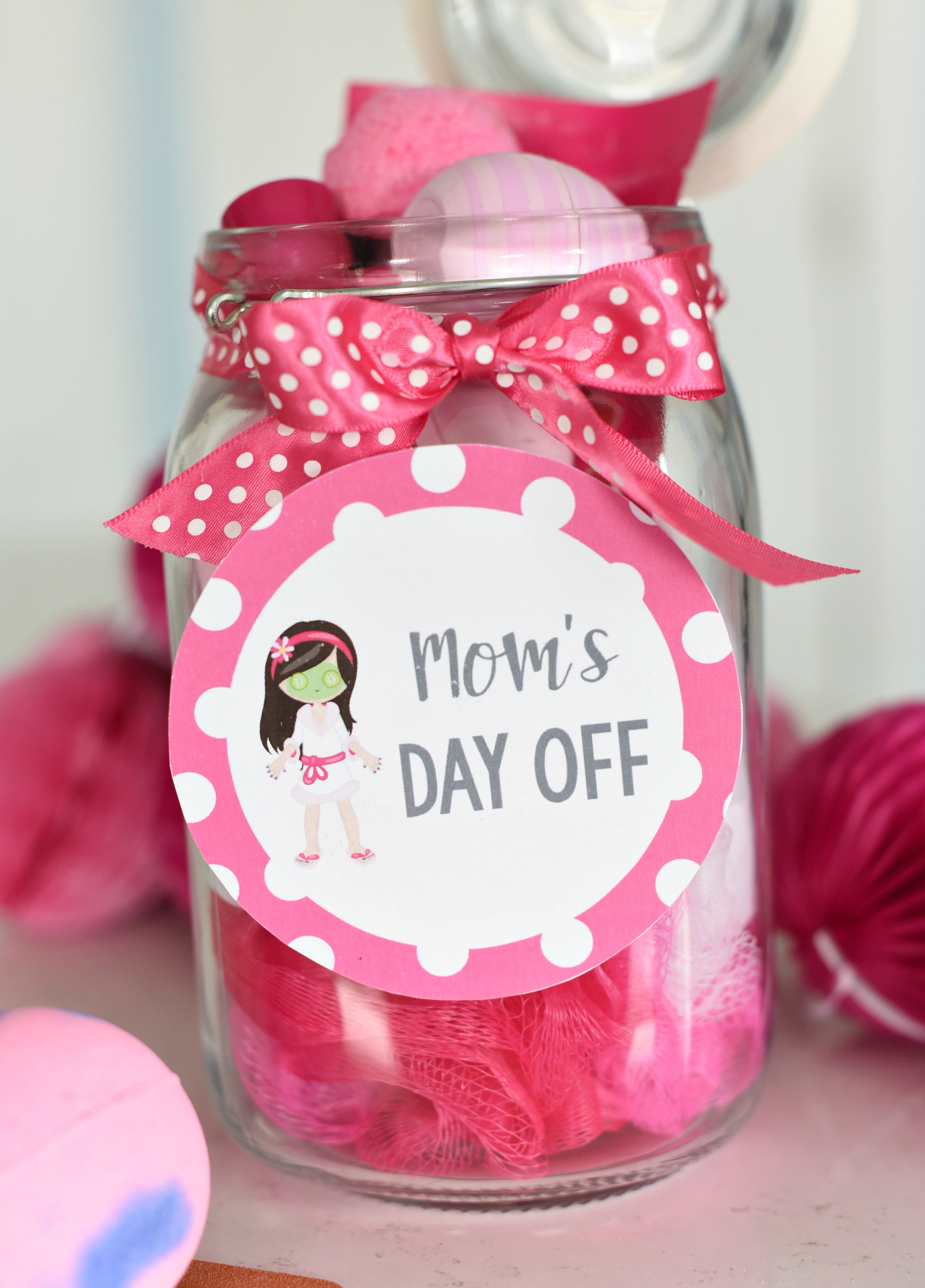
Consider the concept of circular gifting. Instead of giving a gift that needs buying (like a new piece of clothing), give the tools or knowledge for creation—a beginner’s loom, a set of embroidery floss and needles, or even just a beautiful book on basic woodworking. You are passing down a skill rather than an object, ensuring the value endures long after the initial "wow" factor wears off.
Cultivating Sustainable Connections Moving Forward
The conversation around what are eco-friendly alternatives to typical gifts is less about finding replacements and more about adopting a fundamentally different mindset toward giving altogether. It's about shifting our focus from transaction (A gives B an object) to transformation (A helps https://rentry.co/rpqu2t33 B grow, learn, or connect).
The next time you find yourself in the stressful throes of gift-buying paralysis, remember that your intention is the most powerful commodity. By choosing experiences, prioritizing local artisans, and embracing zero-waste swaps, you are not just selecting a better present; you are casting a vote for a more mindful, less wasteful future. Start small, research one sustainable swap this season, and watch how quickly those tiny changes compound into meaningful impact.
Actionable Next Step: Before your next gift purchase, list three alternative giving methods (e.g., Donation, Experience, Skill Share) that cost less than $50 but offer more lasting value than a typical retail item. This simple exercise will reframe the entire gifting process and help you feel genuinely good about what you give away.